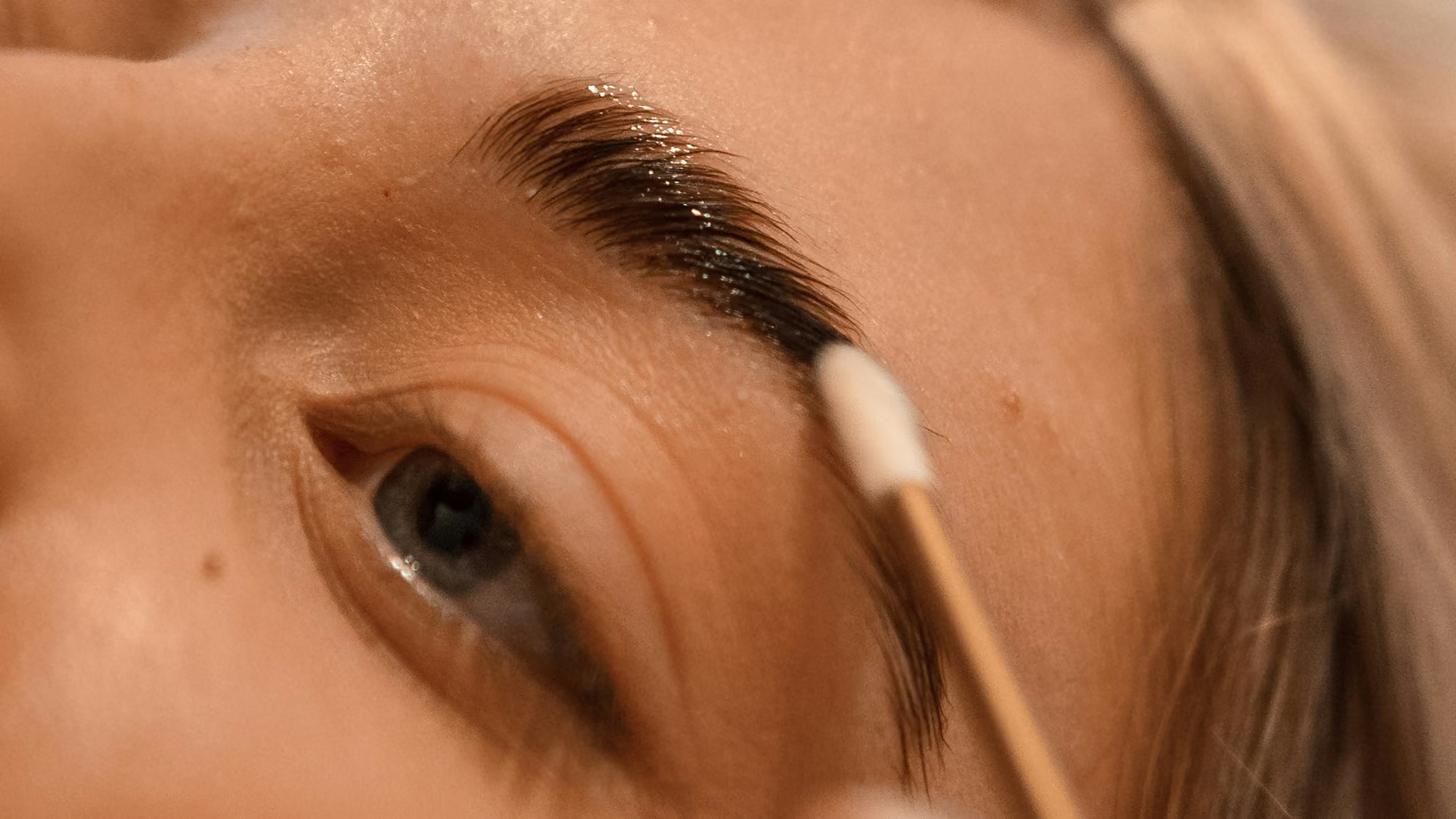

You have tried the serums. The facials. Maybe even a few in office treatments. And the breakouts, dullness, or dryness keep circling back no matter what you put on your face. Sometimes the reason a skincare routine stops working is not the routine. It is what is happening underneath it.
How Hormones Can Show Up on Your Skin
Hormonal shifts can show up in a few recognizable patterns, though the underlying cause is different for everyone:
- Breakouts concentrated along the jawline or chin, often tied to a cycle
- Sudden dryness or dullness that a moisturizer does not fix
- Noticeable changes in oil production, seemingly overnight
- Uneven tone or dark patches that were not there before
- Fine lines or loss of elasticity that seem to appear earlier than expected
None of these on their own confirms a hormone imbalance. But when a few show up together, or when your skin has quietly stopped responding to things that used to work, it is worth looking beyond the surface.
Why Treating the Skin Alone Often Falls Short
Topical treatments work on the surface of the skin. If what is driving a concern is happening internally, results from products or in office treatments alone tend to be temporary, and the cycle repeats no matter how good the routine is. This is not a reason to give up on skincare. It is a reason to ask what else might be part of the picture.
What a Functional Medicine Approach Looks Like
At Hailo, this starts with a comprehensive consultation and lab work looking at hormone and metabolic markers, not a guess based on symptoms alone. From there, your provider builds a personalized plan that may include nutrition, lifestyle changes, or targeted support, addressing what the labs actually show rather than applying a generic protocol. This is general education, not a diagnosis. Hormonal symptoms can have several different causes, and a proper evaluation is the only way to know what is actually driving yours.
Skin and Whole-Body Health, Together
This is part of why Hailo pairs functional medicine with aesthetic treatments under one roof. Skin-focused treatments tend to hold up better and longer when what is happening underneath is also being addressed, rather than treated as two separate conversations.
If your skin has stopped responding the way it used to, a wellness consultation with lab work is often the most useful starting point, before adding another product or treatment on top.
This article is for general education and is not a substitute for individualized medical advice, diagnosis, or treatment. Hormonal symptoms can have many possible causes, some of which require evaluation beyond a single consultation. Always consult a qualified healthcare provider about your specific symptoms and health history.