Sun spots do not show up overnight. Years of daily UV exposure build up quietly underneath the surface, and then, usually sometime in your thirties or forties, they surface all at once. IPL photofacial treatment is one of the most effective ways to treat that damage without downtime.
What Causes Sun Spots and Uneven Pigmentation
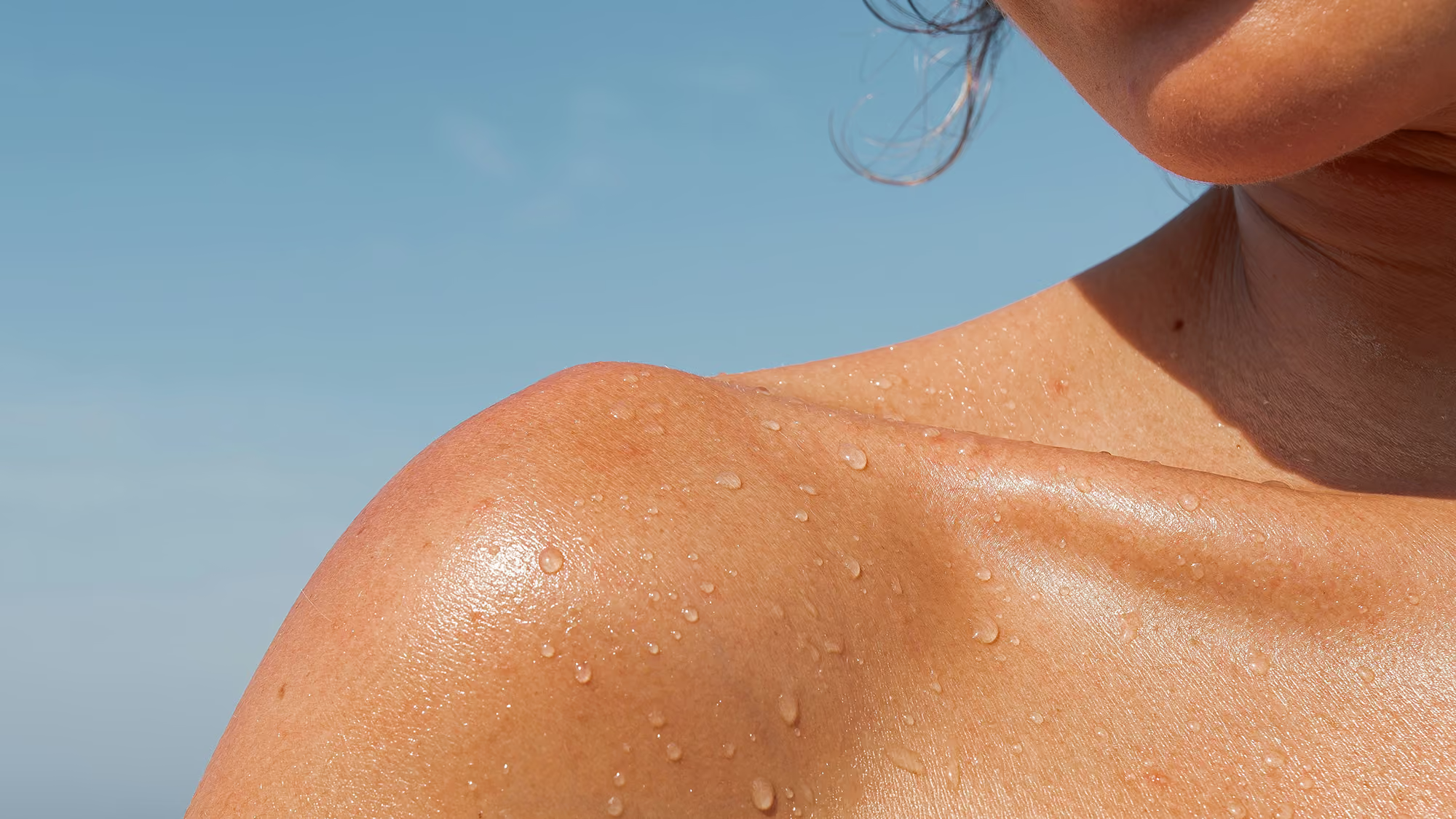
UV exposure triggers pigment cells to cluster and multiply, which shows up as flat brown or tan spots, most often on the face, chest, and hands since these areas carry the most cumulative sun exposure over a lifetime. Broken capillaries and general redness fall into a related category, since both pigment and vascular concerns respond to the same kind of light based treatment.
How IPL Photofacial Treatments Work
IPL uses broad spectrum light, absorbed selectively by pigment and by blood vessels just beneath the skin's surface. That energy breaks up clustered pigment and constricts small vessels, and your body clears the treated cells naturally over the days that follow. At Hailo, we use the Lumecca platform for this, which delivers high intensity light with a large treatment area, useful for covering the face, chest, and hands efficiently in a single session.
What to Expect During and After Treatment
Most patients describe the sensation as a light snap, similar to a rubber band against the skin. Immediately afterward, treated spots often look temporarily darker before flaking off naturally over the following one to two weeks, a normal sign the pigment is clearing. Some redness or mild warmth is common and typically settles within a few hours. Sunscreen afterward is not optional. It is what protects the results you just paid for.
How Many Sessions You Will Need
This depends on how much sun damage you are treating and how your skin responds. Most patients notice initial improvement within the first couple of weeks, with fuller results building over a short series of sessions spaced several weeks apart. Your provider will map out a specific plan for your skin during your consultation rather than quoting a one size fits all number.
One note worth taking seriously: any spot that is new, changing shape, bleeding, or otherwise irregular should be evaluated by a physician before any cosmetic treatment. IPL is excellent for sun damage and pigmentation, but it is not a substitute for a skin check.
Individual results vary. This article is for general information and does not replace a one on one consultation with a licensed provider.